

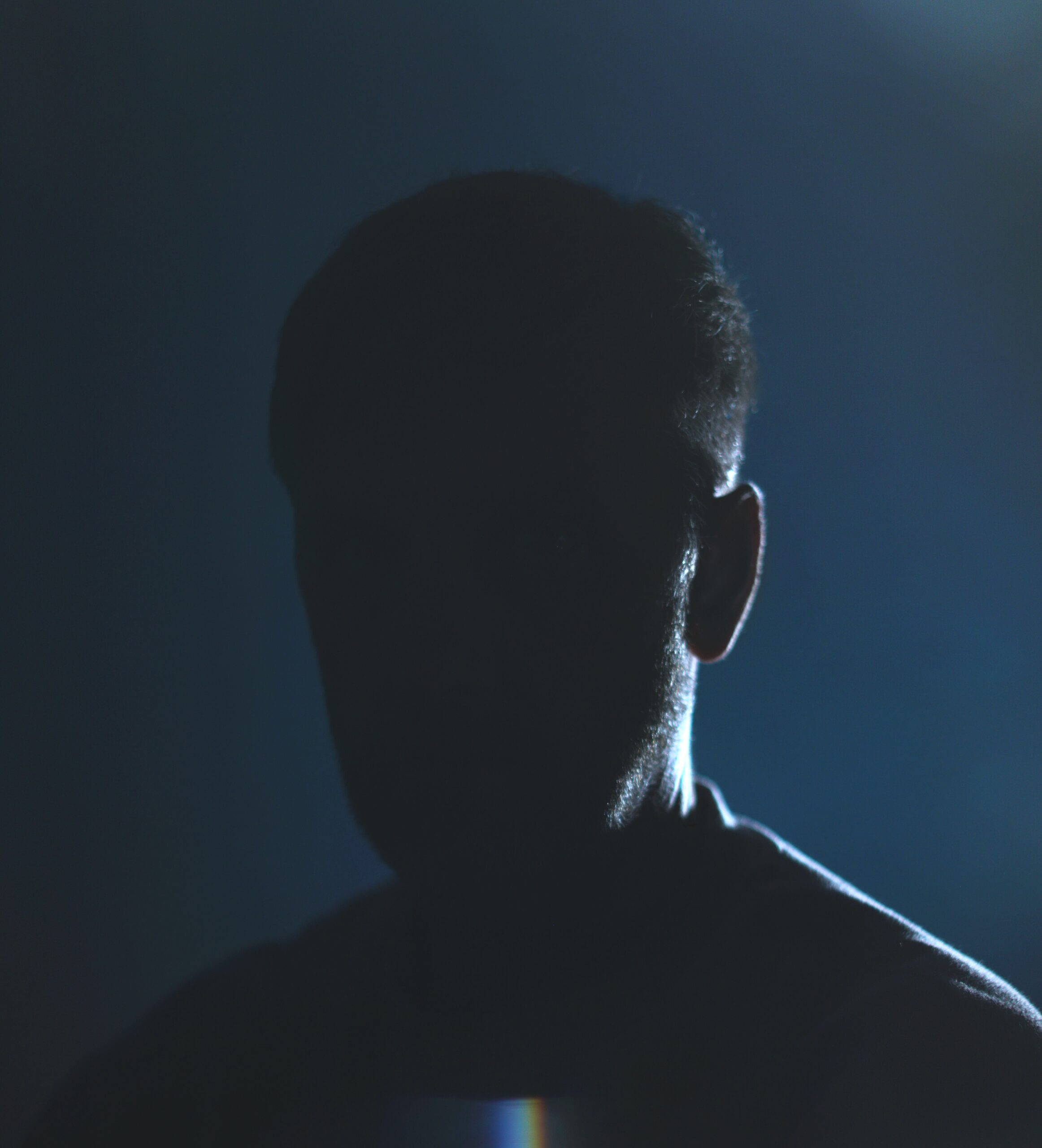

It’s always a momentous occasion when German producer and Neosignal/NËU co-boss Misanthrop drops a new release, and it’s not just because they’re few and far between. Misanthrop is one of those artists to whom fans absolutely cannot pin a style or even a sound, and he’s made that abundantly clear yet again with his latest offering, trashworld. After the heady, experimental sounds in the Universe and Analog albums and the interstitial Open World EP, fans might have expected more of the same with trashworld., but what they got was unexpected on a completely different level. Yet another sound has been born from this album, and it comes, according to Misanthrop, from working organically.
Because of the departure in tone, concept and sound in trashworld., one could be forgiven for thinking Misanthrop didn’t start this album until Universe was done and dusted. In this interview, amongst other interesting looks into his process, the reclusive artist corrects that misconception, explaning that how he works is much more intuitive. Sounds and tracks have been in development since before Analog, and it seems that’s how Misanthrop always works; several projects at once based on what he’s feeling, then grouped and released at appropriate times. With its strong nod to the current predicament the Western world finds itself in, it seems the timing for trashworld. was incredibly appropriate.
trashworld. is your first full-length album since Universe in 2022, and you say you’ve been working on it since 2020. It seems you tend to release based on the theme and sound you’re working on. How does that look intention-wise in the studio?
My creative process is intuitive. When I start a track, I don’t follow a rigid plan; instead, I let my current mood guide the direction. As the music develops, it begins to reveal its own character, and I quickly realize which category or vibe it belongs to. To ground my ideas, I visualize the ideal environment for the track or even the whole project. Whether it’s for traveling, a car ride, a relaxed evening or clubbing, once the music ‘tells’ me where it fits, I immediately categorise the project by mood, genre, and tempo.
I always bounce a layout (demo) of the current state to ensure no idea is lost and to quickly review it. This allows me to stay organized and return to each theme whenever it’s ready for more attention. So yes, my work is defined by the specific atmosphere it creates.
Speaking of theme, trashworld. has quite a strong one, especially when paired with the visuals in the videos and shorts. It all seems to lead to dystopia in one form or another, so would you say there’s a general fascination with that vibe or is this album more of a direct commentary on the current times?
I would say that trashworld. is an attempt to process bad moods and negative outside influences through music. It is essentially a reaction to current times—or at least the circumstances I was facing when the tracks were created. With the videos and visual representation, I wanted to build a world that accurately reflects the fears and feelings these ‘current times’ have triggered in me. I believe everyone reflects their emotions in their music in one way or another, but when I look back at my work, knowing exactly when and in what state of mind each track was made, it becomes very obvious what I was trying to achieve.
The work here feels much more aggressive than your recent previous releases, even going back to Blurred. We’re getting lashings of the ‘Sex Sells’ era. Was that conscious to do something that hearkened back to that age, or was it more informed by the vibe of the record?
As I mentioned, I work in themes. Some of my tracks represent a simpler, more aggressive dancefloor vibe. However, I have to be in the specific mood to write that kind of music, which isn’t always the case. To be honest—as I’ve said countless times before—I don’t like to repeat myself. I only revisit that style when the feeling is genuine.
To that end, do you think you may be entering a new stage of your production both mood and tech-wise? With Analog and Universe, for example, it felt like there was a lot of focus on sound exploration and the moods those sounds elicit.
For me, emotions always create the sound—that is a constant in my work, not just a phase for one album. If there is no emotion, there is no reason to write music; it is the primary driving force. In my opinion, you cannot expect an emotional response from a listener if you didn’t feel anything while creating it. I intended for trashworld. to be far more direct and less focused on storytelling compared to my previous work. In projects like Universe and Analog, I experimented heavily and allowed the tracks to breathe, so to speak, making them more suitable for casual listening while traveling or working. They weren’t necessarily built for the club.
While producing trashworld., I began programming my own software system in Max/MSP. It consists of sequencers, effects, and synths that I’ve built myself, allowing me to connect components in unusual ways. This leads to results that are often weird. I created this as a live experimental playground or to integrate into my broader work. I’m not saying this to impress anyone; rather, it explains why trashworld. feels less experimental and more dancefloor-oriented—I now have a dedicated outlet for my experimental side elsewhere.
How much time do you spend on creating new sounds, especially when it comes to the atmospherics? What do you think previous projects taught you that is now just a standard in your composition?
Most of the sounds I create are designed while I’m actively working on a production. I don’t enjoy designing sounds without context; there needs to be a purpose or a direct connection to a current idea. Over the years, I’ve also learned the importance of letting an idea breathe. Some tracks simply need time to mature, and stepping away allows me to come back with a fresh perspective. Having that distance often helps me see exactly what a project needs to be finished.
Was there anything you felt you had to leave behind in terms of technique that maybe you depended on previously to make trashworld.? Anything you felt might be holding you back from achieving that raw vibe?
If there is one thing I try to avoid, it is overproducing. There’s no reason to fill gaps just for the sake of it. To me, music is like a conversation: if there is nothing left to say, it’s better to remain quiet. Silence can feel awkward, but forcing it only leads to superficial themes that don’t feel authentic and spontaneous.
There’s a dash of humour in a few of the tracks, such as in ‘bla bla’. Was it a conscious decision for you to use humour to underline these points? Do you think it will be effective in getting people seeing these topics from a more critical lens?
It always feels a bit strange to hear the phrase ‘how are you?’ when, in the end, people often act out of self-interest. It has become a habitual phrase, stripped of any real meaning. The track is intended to express the growing internal anger I feel when hearing this phrase in such a meaningless context. I believe I have a strong ability to read the room and sense other people’s emotions and needs. I consider empathy to be one of the most important human qualities, especially when creating art. That might explain the purpose of this track as well.
 Going back to the visuals, how were those made? It looks like some of them were very analog and spliced together whilst others were AI. What do you think responsible use of AI looks like going forward and what do you think it can mean for the art world?
I combine both worlds because I don’t believe AI alone can achieve exactly what I’m looking for plus, most importantly, where’s the effort? I wouldn’t rely solely on AI to create the work; in my view, people only do that when they haven’t thought through their project enough to know what they actually want.
Because I have a clear visual vision, I use AI merely as a tool to generate raw footage. For ‘Slanted,’ for example, I could have used photos of real politicians, but I felt that wouldn’t be timeless enough and would be too obvious. Instead, I generate specific imagery and then bring it into Affinity and DaVinci to cut and shape it according to my own taste. For me, AI is a footage-generating system, not the creative director. I need to be in charge; otherwise, it’s obviously not my work and I need the ups and downs during the creation process to understand and fully feel the piece of art I’m creating. If I’m not, it feels empty a bit like a lie.
You’ve got a couple of really stark and interesting videos already from this album. Will you be making any more? Are you working with anyone on the visuals or just tinkering yourself?
I think the message has been transported so I guess that´s it for this project. Yes, I try to make every process by myself. I like the independent way of working that’s pure freedom – not being dependant on other people – if a project won’t happen, I just have myself to blame.
What’s one thing you’d like people to know or think about when listening to trashworld. that we haven’t covered here?
Don’t take it too seriously. Life is good.
trashworld. is out now and can be streamed or purchased on multiple platforms here.